


About The Author

About The Author
Attracting new members to your credit union in today’s fast-paced digital age can be a formidable challenge. You’re up against both local competitors and giant financial institutions with hefty marketing budgets.
Another problem is that with the digital shift, traditional outreach methods are becoming less effective.
However, the internet also offers a unique opportunity to level the playing field. With strategic credit union digital marketing, you can stand out online and establish meaningful connections with your members.
In this article, I will outline five critical digital marketing strategies essential for credit unions in today’s digital age. These are practical tactics that my digital marketing agency is regularly applying.
These strategies will help you establish a strong foundation for your credit union’s digital growth. You will learn how to effectively reach your target audience, build trust, and keep your members satisfied.

Digital marketing has transitioned from a nice-to-have to an absolute necessity for credit unions. This shift is driven by several key factors:
Let’s break down five key elements of a successful credit union marketing strategy in 2024.
You don’t need to invest equal resources in each of these digital marketing aspects. I’ll try to help you understand which strategies to focus on depending on your credit union’s short-term and long-term goals.

SEO, or Search Engine Optimization, is a pivotal component of digital marketing for credit unions, focusing on enhancing your visibility in Google (and other popular search engines like Bing).
By optimizing your website, you can significantly increase the likelihood that potential members will find your credit union when searching for relevant financial services.
One of the reasons why I recommend investing efforts in SEO early on to clients is because it’s very rewarding in the long term. Unlike paid advertising, which stops generating traffic once you halt spending, SEO continues to attract visitors over time.
SEO Statistics suggest that the top three results get 68,7% clicks. So, if you want to attract new members organically, you’ll need to climb up the search engine results pages (SERPs).
These are some crucial SEO strategies I recommend paying close attention to:

If you’re looking for a quick way to promote your credit union through social media or search engines, pay-per-click (PPC) advertising is one of the most effective marketing solutions.
This model ensures that you only incur costs when someone clicks on your ads, setting PPC apart as a cost-effective alternative to traditional advertising methods.
At its core, PPC operates on an auction-based system. You’re bidding on keywords relevant to your credit union’s services. These could range from “best interest rates” to “community credit union services.” When potential members search for these terms, the PPC system springs into action, determining which ads are most relevant and should be displayed prominently.
Winning this auction means your ad appears at the top of search results or on social media platforms where your target audience spends their time.
A key factor in the success of PPC campaigns is the Google Ads Quality Score. This metric evaluates the relevance and quality of your ads and keywords. It influences how often your ads are shown and at what cost.
A higher Quality Score means your ads are more likely to appear at the top of search results at a lower cost per click. This helps you maximize the visibility of your credit union while optimizing your advertising budget.
If managing PPC campaigns is challenging for you, consulting with my Chicago PPC agency might help you strategize credit union advertising and target your audience more effectively.

Your website is often the first point of contact potential members have with your institution. This makes the quality of your web design a crucial factor in building trust and credibility. It also serves as the central hub for all your credit union digital marketing strategies – the destination for traffic from your SEO, PPC, social media, and email marketing campaigns.
Start by understanding the general rules for financial institution website design and how it instills confidence in users, reassuring them that their financial needs and personal information are in safe hands.
Then dive into the specifics of credit union web design, and learn how to make your website embody the values, stability, and professionalism of your financial institution.
You must offer a user-friendly experience, ensuring that current and prospective members can easily find the information they need, whether it’s about opening an account, loan options, or member benefits.
Staying ahead of graphic design trends in 2024 can also give your credit union an edge. It helps you ensure your website not only meets current standards but also stands out visually. Incorporating modern design elements can make your website more engaging and memorable, further establishing your credit union as a forward-thinking institution.
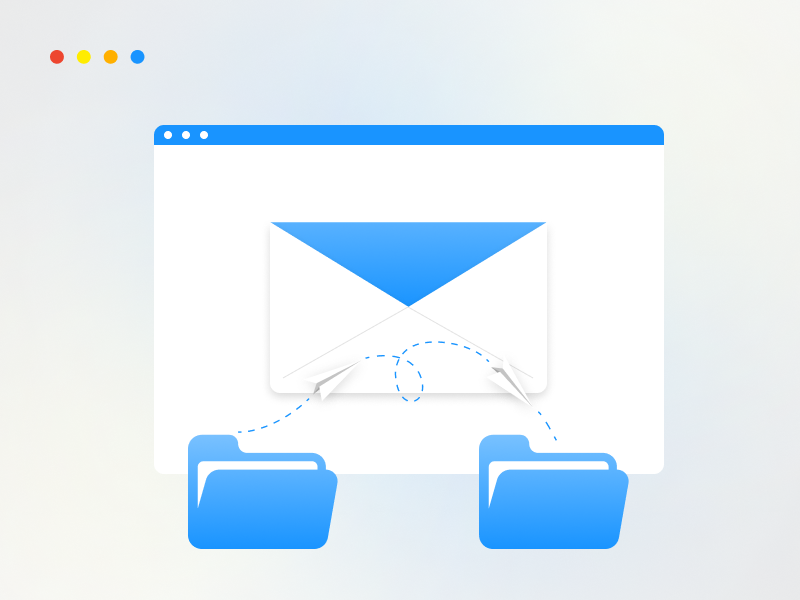
Email marketing is a pivotal component in the arsenal of credit union marketing strategies. This powerful tool allows for direct communication with both current and prospective members, delivering personalized content right to their inboxes.
At its core, email marketing supports the growth strategies of your credit union by:
Your credit union email marketing efforts shouldn’t revolve solely around sending newsletters. Your primary goal should be creating meaningful interactions that educate, inform, and engage your members. This will solidify your position as a go-to resource for financial well-being.

A consistent, authentic, and engaging social media presence helps keep your credit union top-of-mind for current members and potential leads.
Moreover, social media platforms enable credit unions to target their marketing efforts more effectively, reaching potential members based on demographics, interests, and behaviors.
The platforms your target audience frequents can vary, but for credit unions, focusing on networks like Facebook, LinkedIn, and Instagram can be particularly beneficial. Facebook and Instagram offer a broad reach and the ability to engage with members and potential members through diverse content formats such as posts, stories, and live videos.
LinkedIn, on the other hand, provides a professional setting for connecting with potential members, sharing industry insights, and reinforcing your credit union’s reputation as a trusted financial institution.
Social media credit union marketing campaigns open up a plethora of opportunities, including:
Is your credit union is seeking to enhance its online presence, attract new members, and deepen relationships with existing ones? Partnering with a credit union digital marketing agency may be the strategic move you need.
A dedicated agency brings a wealth of experience and expertise in the unique challenges and opportunities within the credit union sector. From optimizing your website for search engines to crafting engaging email marketing campaigns, and leveraging social media to build your brand, a specialized agency can offer tailored solutions that align with your goals and budget.
If you’re ready to explore how a credit union digital marketing agency can transform your digital marketing efforts and help you achieve your growth objectives, I invite you to schedule a call with me.
Alpha Efficiency specializes in crafting customized strategies that drive results, enhance brand recognition, and ensure your credit union stands out in the competitive financial landscape. During the initial consulting session, I’ll help you better understand your digital needs and strategies that will help you achieve your goals.
Recent Post
Brian Dordevic
The $100B SEO: Advanced Keyword Research Techniques for 2026
READ MORE
Brian Dordevic
Your Review Strategy Is a Ticking Time Bomb
READ MORE
Brian Dordevic
The 61% Collapse: How AI Overviews Broke Google’s Click Economy
READ MORE