


About The Author

About The Author
Are you considering investing in enterprise mobile application development but unsure about where to start, or how to ensure it aligns 100% with your business goals?
The truth is, rushing into an enterprise mobile app development project without full clarity often leads to:
Having worked on dozens of enterprise-level projects with my Chicago web development agency, I’ve seen firsthand the importance of a well-thought-out plan for building enterprise apps.
I’ll show you a 7-step framework I usually recommend to enterprise clients who want to build an application for their business.
In this guide, I’ll walk you through the exact steps you need to take to plan your enterprise mobile app strategically from scratch, find a reliable development team (while steering clear of impostors), and avoid common mistakes that lead enterprises to regret wasting time and money on a half-finished app.
By the end, you’ll know how to:
Turn the 7-step framework into a concrete roadmap, budget, and timeline.

Many enterprises fall into the trap of rushing their mobile app development process because they feel pressured to keep up with competitors or meet internal deadlines.
Often, decision-makers are eager to implement new technologies, believing that speed is the key to gaining a competitive edge. But without proper planning, this mindset can backfire.
Without taking the time to define goals, map out necessary features, and ensure alignment with business goals, you risk both the short-term success and long-term value of your mobile application.
And consequences can be harsh:
Ask yourself: can your enterprise afford to invest time, effort, and money in a mobile app that doesn’t truly move the needle?
I’ve prepared this 7-step framework to help you gain clarity on your enterprise mobile application development project. It’s designed to help you strategically plan your app from the ground up, ensuring that every feature aligns with your business goals.
By following this framework, you’ll avoid common pitfalls, stay on track with your budget and timeline, and maximize ROI.

The first step in building a successful enterprise mobile application is deciding which type of app your company needs and identifying the specific problems it will address.
This decision will determine the entire enterprise app development process, from the features you choose to the way the app is designed and integrated within your business operations.
A good starting point is to understand the three levels at which an enterprise app can operate:
Once you’ve identified the level at which your app will operate, you can then determine the specific type of enterprise app that best suits your business needs.
| App Type | Purpose & Key Benefits | Typical Use Cases |
|---|---|---|
| Customer Support Apps | Provide access to customer data, issue tracking, and communication tools for faster resolutions. | Customer service reps handling client tickets and escalations. |
| Enterprise Messaging Software | Custom software that enables secure, real-time communication across employees, teams, and departments. | Internal comms for global or distributed teams. |
| Team Collaboration Apps | Support project management, file sharing, and real-time updates across departments. | Marketing + product teams working on shared campaigns and roadmaps. |
| Marketing Automation Apps | Automate repetitive tasks, manage campaigns, and track performance on mobile. | Marketing teams running multichannel campaigns and lead nurturing. |
| Enterprise Management Apps | A single dashboard to track KPIs, oversee operations, and make data-driven decisions. | Executives and managers monitoring performance and approvals on the go. |
| Enterprise Application Integration (EAI) | Integrate ERP, CRM, and supply chain systems into a single cohesive platform. | Large organizations synchronizing cross-department data and processes. |
| Billing Systems | Automate invoicing, payments, and financial processes to minimize human errors. | Finance teams managing high transaction volumes and reconciliation. |
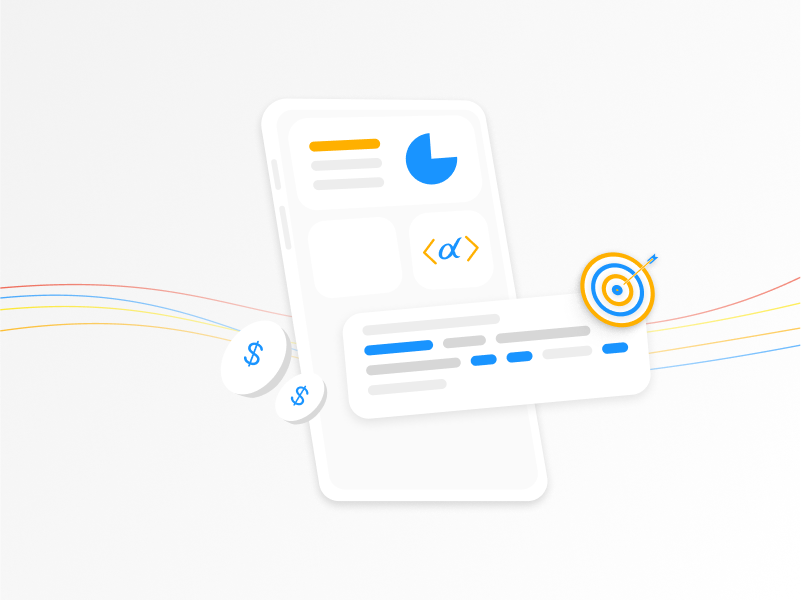
Without a well-planned budget, your project can quickly spiral out of control.
Before the blink of an eye, you might face unexpected costs and delays.
On average, enterprises can expect to invest anywhere from $100,000 to $500,000+. The total costs largely depend on the complexity, features, and platforms.
Budgeting becomes easier when you follow a proven formula for enterprise application development that ties costs to outcomes and avoids hidden expenses.
Here’s how to budget for an app development enterprise project effectively:
Most development agencies are accustomed to building apps for small businesses, where projects are simpler and less complex.
However, enterprise mobile applications require a completely different approach due to the scale, security needs, and integration with existing systems.
Here’s what to pay attention to when choosing the right enterprise mobile application development company:
The features you decide to implement will ultimately determine how well your enterprise mobile app solves business problems and supports your goals. Below are the essential features every enterprise should consider:
To prevent data breaches within your enterprises, employees should only have access to the information necessary for their roles.
Without role-based permissions in your enterprise mobile software, sensitive data could be exposed, creating major security risks. Whether you’re working on a mobile app or an enterprise web application development project, a robust role-based permission system is non-negotiable..
Push notifications are a powerful way to keep employees informed in real time, especially for remote teams.
With real-time notifications, your employees can stay informed and respond more quickly to important updates, tasks, or alerts, regardless of their location.
Here are some tips for implementing push notifications within your enterprise mobile apps:
Whether your employees are working in remote locations, traveling, or facing connectivity issues, an offline mode ensures that your app remains functional, allowing operations to continue without interruption.
Once a connection is restored, the app syncs automatically, ensuring no data is lost, and operations can continue seamlessly.
Without offline mode, employees might be forced to delay tasks or wait for an internet connection, which disrupts workflows and causes frustration.
If your app doesn’t integrate smoothly with existing systems, it risks becoming an isolated silo.
By ensuring smooth data flow between systems, you can streamline operations and maximize the value of your investments in enterprise mobile app development.
Here is what you (or the agency you hire) must pay close attention to:
With the right analytics, you can make data-driven decisions that help optimize the app’s functionality, enhance user experience, and boost overall efficiency within your mobile enterprise application development.
Here are key aspects to consider when implementing mobile analytics:

Choosing the right enterprise mobile app development platform is a critical decision that affects your app’s performance, development time, and overall reach.
You have two main options, each with its pros and cons:
A native approach involves building separate apps specifically for each platform (iOS with Swift, Android with Kotlin). While this doubles the work and increases costs, it offers clear advantages:
The tradeoff is maintaining two separate code bases, which adds complexity, time, and cost. Still, if your enterprise mobile app requires advanced features, complex integrations, or top-tier performance, native development may be worth the investment.
Hybrid development relies on cross-platform enterprise mobile frameworks to reduce cost and development effort. You can basically write code once and deploy it on both iOS and Android.
However, hybrid apps come with limitations:
For enterprises seeking a cost-effective solution that still maximizes reach, I recommend a hybrid cross-platform approach.
While the app’s functionality is important, it’s the design that ensures employees will find it intuitive, efficient, and enjoyable to use.
Poor design can lead to:
To create an effective UI/UX in enterprise app development, focus on the following design principles:
Your enterprise app should be easy to navigate, even for users who may not be tech-savvy.
If your app is being developed for both iOS and Android, ensure the design remains consistent across platforms while still respecting platform-specific guidelines.
This way, you’ll create a cohesive experience for employees, regardless of the device they’re using (especially if they’re switching between mobile devices), and significantly improve usability.
Your employees should be able to complete tasks quickly and with minimal effort.
This means:
Your enterprise mobile app should look and function equally well on smartphones and tablets. It must adapt seamlessly to different screen sizes without compromising usability.
Your app should be designed with accessibility in mind, ensuring that all employees, including those with disabilities, can use it effectively.
To make your app more inclusive and user-friendly, ask your enterprise app development team to implement features like:
Just keep in mind, great design isn’t just about looks; it also relies on enterprise UX research steps that validate workflows and ensure usability for every employee.

Pre-built solutions or off-the-shelf templates might seem faster or more affordable, but they rarely meet enterprise demands. That’s why tailored enterprise mobile application development services are essential for performance and security.
A custom-coded app is tailored to your unique business needs, ensuring smooth operation even under heavy loads and complex workflows.
Here’s what I recommend to maximize performance and security:
Enterprises already using WordPress should apply the same enterprise WordPress development essentials to their mobile applications for consistency in performance and governance.
Even the slightest mistake during the enterprise mobile app development process can lead to costly delays, poor user adoption, or an underperforming app.
Here are some of the most common mistakes businesses make when developing their enterprise apps (and realize it too late):
Jumping into app development without fully defining the app’s purpose or aligning it with your business goals can result in an app that doesn’t solve the intended problems or lacks focus.
How to avoid it: Before starting development, ensure you have a clear roadmap that outlines the app’s objectives, the problems it will solve, and the specific features that align with your business needs.
Trying to include too many features in the first version of your app can overwhelm users and make the development process more complicated and costly.
How to avoid it: Focus on the essential features that will provide the most value. Start with a minimal viable product (MVP) and add additional features in future updates based on user feedback and evolving needs.
An app that’s difficult to navigate or unintuitive will lead to low user adoption rates, regardless of how advanced its features are. Poor UX can frustrate employees and reduce productivity.
How to avoid it: Invest in high-quality UX design. Ensure your app is intuitive and integrates seamlessly into your employees’ workflows. Regularly gather feedback from users to refine and improve the experience.
Launching the app without extensive testing can lead to bugs, crashes, and performance issues that negatively impact user experience.
How to avoid it: Test thoroughly at every stage, including unit testing, user testing, and stress testing. Ensure your app works smoothly across different devices and platforms before going live.
Failing to integrate your app smoothly with existing software systems (e.g., CRM, ERP) can lead to data silos, workflow disruptions, and inefficiencies.
How to avoid it: From the beginning, plan for seamless integration with your current enterprise systems. Regularly test how data flows between your app and other systems to ensure everything works together smoothly.
Once your app is launched, failing to plan for ongoing maintenance, updates, and bug fixes can lead to long-term performance and security issues.
How to avoid it: Budget for continuous maintenance and updates as part of the development process. Regularly release updates to enhance performance, security, and user experience, informed by feedback and advancements in technology. Partnering up with a mobile app development company that provides ongoing support will give you peace of mind.
Still not sure how to approach your mobile enterprise app development?
With over 15 years of experience serving enterprise clients, my team can help you gain full clarity.
Just like your mobile app, your website should evolve in tandem with your business. Focusing on future-proof enterprise website design keeps both assets aligned for long-term success.
We will guide you through every step, ensuring both your app and website align with your business goals and deliver the ROI you need.
Don’t risk wasting time or resources; contact our enterprise WordPress agency and confidently invest in your new mobile enterprise application platform.
1) What are the biggest challenges in enterprise mobile app development?
Enterprises often struggle with aligning app features to business goals, staying on budget, meeting launch timelines, ensuring smooth integrations, and driving user adoption. Without careful planning, mobile enterprise application development projects can also create security risks, inefficiencies, and high long-term maintenance costs.
2) How much does it cost to build an enterprise mobile app?
The average cost ranges from $100,000 to $500,000 or more, depending on the app’s complexity, the number of features, and the platforms it supports. Planning your budget around core business goals helps control costs, prevent overruns, and ensure the app generates a strong return on investment.
3) What types of enterprise mobile apps do companies use?
Common enterprise apps include customer support tools, messaging platforms, team collaboration apps, marketing automation software, management dashboards, enterprise application integration (EAI), and billing systems. Choosing the right type often depends on guidance from an enterprise mobile application development company that understands the specific needs of enterprises.
4) What features should an enterprise mobile app have?
Key features include role-based permissions for security, push notifications for real-time updates, offline mode for reliability, seamless integrations with enterprise systems, and mobile analytics for performance tracking. Many enterprise mobile application development services focus on these essentials to help businesses enhance efficiency, protect data, and scale to meet future needs.
5) What platforms are best for developing enterprise mobile apps?
When selecting the right enterprise mobile app development platform, you can choose between native development (iOS and Android separately) or hybrid development (one shared code base across platforms). Native apps offer better performance and advanced features, while hybrid apps are faster and more cost-effective, but may have limitations in terms of speed and access to device capabilities.
Recent Post
Brian Dordevic
Enterprise UX Research: 5 Key Steps for Ensuring Top-Level Designs
READ MORE
Brian Dordevic
Scrapbook Style Web Design: 5 Layering Ideas to Nail This Trend
READ MORE
Brian Dordevic
Boost User Engagement with Isometric Web Design
READ MORE