


About The Author

About The Author
Do you ever feel like your website attracts more mismatched clients than ideal ones? You’re left wondering if your web design branding truly reflects your vision.
This issue can hinder the growth and success of your business. You pour time and resources into your website, hoping it will be a magnet for your ideal clients. However, instead of being an asset, it becomes a source of frustration. You keep pulling in leads that don’t align with your business’s core values.
I remember the early days of running a Chicago web design company, grappling with the intricate dance of blending web design and branding. Each project was a learning curve, revealing how vital even the smallest design element could be. A single oversight could mean the difference between a brand that resonates and one that repels and pushes away your ideal clients.
After working on over 500 website projects, it became clear that the path to successful web design branding is in small choices that make a significant impact down the line.
This realization led me to compile a guide on web design branding. My aim? To help you better understand how to infuse a brand’s personality into your web projects and turn your vision into reality. You’ll learn a systematic approach to making informed design choices, enabling you to craft websites that attract attention and resonate with the intended audience.

Unless you’re the only company within a niche, your potential customers have many other options. Without a strong brand identity, you risk blending into the crowd – which means building relationships with your target audience will become more complicated.
Today, companies without any personality are doomed to fail.
Consumers today are not just looking for products or services. They are human beings who seek connections, stories, and experiences that resonate with them.
Without any personality, even if your business does attract clients, there’s no guarantee they’re the ones you ideally want to work with. You might find yourself in a cycle of engaging with clients who don’t align with your business values or goals, leading to unfulfilling work and stunted growth.
But there’s something you can do to save your business.
A way to elevate your business from being just another faceless identity in the crowd…
The goal of branding is to help you stand out among competitors. To communicate your company’s personality and values and build a loyal customer base. People keep doing business with companies that stand out and make them feel something.
Think of Apple, McDonalds, Nike… They have mastered the art of evoking emotions and building a loyal following by consistently showcasing a distinctive brand personality.
This emotional connection is evident when you interact with these brands, both in physical and digital spaces. When you visit their websites, you experience the same feelings you get when you use their products.
This is the power of branding – it brings your company’s personality to the forefront, making it memorable and relatable. It transforms your business from being just another option in the market to a brand with a character that people recognize, connect with, and remain loyal to.
However, building a loyal client base around the desired audience is equally important.

Since your website is usually the first touchpoint with new customers, the importance of web design branding becomes clear. All your design decisions impact how visitors perceive the company upon landing on a website.
Here are seven opportunities that might slip through your fingers without effective web design branding:
Without a distinctive brand identity reflected in your web design, you lose the chance to make a lasting first impression.
Cohesive branding in web design instills a sense of trust and credibility. Visitors are more likely to trust a website that looks professional and aligns with their values and dreams.
Without distinct branding, your website might look and feel similar to countless others, making it difficult for potential customers to understand what sets you apart.
Effective web design branding involves more than aesthetics; it’s about creating an engaging user experience. A website that resonates with your target audience in terms of both design and content is more likely to keep visitors engaged and interested in your offerings.
Your website is a powerful platform to communicate your brand’s values and story. Stories help visitors relate to your business and build emotional attachment. You can make your visitors feel like heroes or perceive your company as their savior through branding web design.
Ultimately, the goal of your website is to convert visitors into customers. A strong web design branding strategy can significantly improve conversion rates. It creates a cohesive and compelling journey that aligns with the visitors’ expectations and persuades them to take action.
One of the most strategic benefits of web design branding is its ability to attract the clients you want to work with while naturally deterring those who are not a fit for your business. Effective branding on your website acts like a filter. It communicates what you do and what you stand for. This way, you can draw in clients who resonate with your brand values and vision. On the flip side, it also subtly pushes away potential clients who may not align with your brand’s ethos or approach.
In the early days of my career in web design branding, I was keenly aware of the importance of various elements like logos, color palettes, and typography. However, what I initially overlooked was the intricate interplay of these elements and their collective power in shaping public perception and attracting the right clientele.
I knew each component was crucial, but I hadn’t fully grasped how, when harmonized effectively, they could profoundly influence how a business is perceived and who it draws in.
This realization dawned on me gradually as I witnessed and worked on numerous web design projects.
I saw businesses with visually appealing websites that somehow failed to connect with their ideal audience.
It became clear that the synergy between different branding elements was what turned a good design into a great one. It wasn’t just about having a striking logo or an attractive color scheme; it was about these elements working together to tell a cohesive story, evoke specific emotions, and resonate with a particular demographic.
This guide is designed to help you understand the importance of each branding element in isolation and how to weave them together to create a compelling brand narrative. From defining a brand strategy that aligns with your business goals to choosing a color palette that reflects your brand’s ethos, from creating a logo that symbolizes your brand to crafting website copy that speaks in your brand’s voice – this guide covers all aspects of branding website design.

Having a brand strategy before you start working on site design is critical. It’s the blueprint that shapes your design decisions and ensures your website authentically represents your brand. It will help you define the clients you want to attract and those you don’t want to work with.
Moreover, every step of the branding process, from choosing color palettes to selecting typography, is influenced by your brand strategy.
A brand strategy encompasses a deep understanding of your brand’s core – its values, mission, voice, and tone. It’s an introspective journey into what your brand truly represents and how it differentiates itself in the marketplace.
Your unique selling proposition (USP) is a key element of this strategy. It’s the defining feature that sets you apart from competitors and forms the cornerstone of your brand identity. You must also define your unique selling proposition – what makes you stand out among all other companies.
A well-defined brand strategy directly impacts the user interface (UI) design. It dictates the kind of user experience you want to offer. For instance, a luxury brand might opt for a sophisticated, intuitive UI that reflects its high-end offerings. In contrast, a playful, youth-oriented brand might choose a more vibrant, interactive interface.
A brand strategy will guide your design decisions and help you establish a clear design style to follow early on.

The color palette you choose for your brand is more than just a matter of aesthetic preference. It’s a crucial aspect of your overall branding and web design strategy.
Your branding colors will not only define your logo. They will also color every aspect of your online presence, from your website to your digital assets.
When users see these colors, they’ll instantly connect them with your brand. The consistency of your color scheme across all platforms, including social media, marketing materials, and even product packaging, is vital in building a cohesive and recognizable brand identity.
Different colors evoke different emotions and carry specific connotations. Understanding the psychological impact of colors is crucial in determining how your audience perceives and receives your brand. For example:
The right color palette can make your brand memorable, while a poorly chosen one can dilute your brand’s impact.
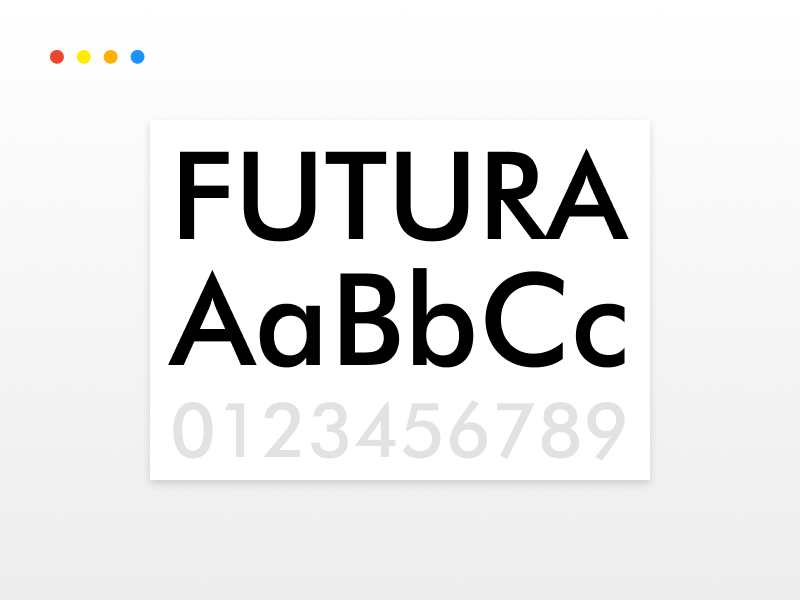
During my early days of working with a SaaS client, they faced a challenge that initially seemed perplexing. They had a cutting-edge product, but their online presence failed to mirror this innovation. The root of the problem? Their typography. The standard, uninspired font they were using didn’t reflect their forward-thinking and dynamic nature.
But why is typography important in web design? Typography is an essential component that goes beyond choosing attractive fonts. It’s about capturing and conveying the brand’s voice and personality.
The right font can significantly enhance the readability of your content, influence the user experience, and reinforce your brand’s identity. For example, a serif font might convey a sense of tradition and reliability, ideal for more conservative fields like finance. In contrast, a clean, sans-serif font can suggest modernity and minimalism, which aligns well with tech startups or creative agencies.
When it comes to selecting fonts for your brand, here is my advice:

I’ve often encountered a common misconception: confusing logos with illustrations. This is a distinction I never tire of clarifying.
Logos are simplistic. They are a material that goes into print on your packages, on your business cards, and 100s of other print-related destinations. It can also serve you as a beautiful profile picture across social media platforms. You shouldn’t overcomplicate the logo design. This will exponentially increase your print expenses. Simple gets the job done and doesn’t break the bank.
This led me to rethink the way I observe the logo of Alpha Efficiency. We have four main components to our logo:
These four symbols imply our brand identity, one that we call Alpha Efficiency. This way, we want to iron out the customers who want to hire a servant-style agency or a freelancer.
You should aim to attract the right kind of audience with your logo too. To better understand how, let’s discuss six essential elements of a brand logo design.
Logo has:

Images are one of the key user requirements for website design. However, using generic stock photos, while convenient, can significantly undermine your branding web design. These images, often overused, fail to convey the unique essence of your brand, potentially leading to a disconnect with your desired audience.
Investing in branded photography or custom illustrations can be a game-changer. It’s an excellent way to infuse your visual identity with authenticity and uniqueness. When these images incorporate subtle nods to your brand colors and design elements, they further solidify your brand’s presence and message.
To attract your desired audience through branded images, consider the following:

Custom icons are a non-negotiable element in the intricate dance of web design and branding.
Why are custom icons so crucial in web design branding? The answer lies in their ability to seamlessly integrate your brand’s visual identity into the user experience. They are the subtle yet powerful touches that convey your brand’s story and values without words.
Crafting custom icons for web design is an art form that I have come to appreciate deeply. It’s a process that begins with understanding the brand’s core essence. For me, this means immersing myself in the brand’s world – its values, its voice, and its visual identity.
You can start by sketching out ideas without looking for ideas within your industry. This initial brainstorming is where the magic begins, as these sketches gradually evolve into icons that are not just graphics but storytellers that encapsulate the brand’s narrative.
In the next phase, refine these sketches, focusing on details such as line weight, symmetry, and scalability. Consistency in style, form, and color across the icon set is crucial. These icons need to harmonize with each other while contributing to the overall narrative of user interfaces.
This journey of creating custom icons is always a fulfilling challenge. It’s about going beyond generic visuals to craft something that truly resonates with the brand’s unique identity.
Brand web design goes beyond visuals. An essential aspect of brand identity is the language you use when communicating with your audience.
Consider your website copy as your company’s personality expressed in words. Deciding on this voice requires deep introspection into what your brand stands for and how you wish people to perceive you.
Do you aim to establish a professional and authoritative presence?
Or do you want to appear friendly and playful?
Each choice leads to a different path in communication style. But the key is consistency – maintain your tone across all your website pages, from headlines to body text.
Moreover, the words you choose can evoke specific emotional responses in your customers. Your website copy can make people feel understood and connected, influencing how they perceive your products and mission. This is crucial for business growth. I always emphasize to my clients the importance of aligning their website copy with their overall digital marketing strategy.
People form first impressions about your business within seconds. And this can happen even before they see your brand design style.
If your website fails to load quickly (within a second or two), it can instantly set a tone of frustration and impatience, leading users to form negative opinions about your brand subconsciously. While recovering from this initial experience is possible, slow-loading pages can overshadow even the most carefully crafted brand design.
But you’re not ready to go, even if your site speed is great. User flow and website responsiveness play equally vital roles in shaping user experience – and, therefore, potential customer’s perceptions of your brand. You should create a responsive web design that displays perfectly on different devices and screen sizes.
You should also create an intuitive user journey. This involves mapping out the journey a user takes through your website, from the moment they land on it to the moment they leave. A well-planned user flow is intuitive and logical. It guides users effortlessly to the information they need or the actions they wish to take. You must remove any obstacles that might disrupt the user’s journey. Providing a holistic experience where users feel valued and understood reinforces a positive image of your brand.
You can test all of this by asking the right user experience survey questions.
No matter how good your products or services are, if you fail to touch the soul of your target audience, your business is doomed to fail.
If your website doesn’t reflect your brand’s authentic story or reach your ideal customers, it’s time for a change. With the right approach to branding website design, you can create a space that showcases your business and magnetically attracts people you want to work with.
Branding website design is about weaving the fabric of your brand’s story into every pixel and every line of code. It’s an opportunity to showcase human creativity, express your brand’s unique voice, and forge a connection with your dream clients.
Ready to bridge the gap between your brand and your audience? Feel free to schedule a call with me to discuss your custom branding process across all digital channels.
Also, to stay ahead of the latest digital trends, you can join my Conversion Insider community for free and start receiving inspiring stories and weekly advice on growing your business online.
Recent Post
Brian Dordevic
The $100B SEO: Advanced Keyword Research Techniques for 2026
READ MORE
Brian Dordevic
Your Review Strategy Is a Ticking Time Bomb
READ MORE
Brian Dordevic
The 61% Collapse: How AI Overviews Broke Google’s Click Economy
READ MORE