


About The Author

About The Author
Artificial intelligence (AI) is quickly becoming an integral part of the graphic and web design landscape. As a UX designer, you probably at some point wondered if AI would eventually take over your role and what the future of AI for UX design looks like.
The good news is UX designers are not going anywhere, but neither is AI. As technology evolves, designers must learn to coexist with AI tools to thrive in this new reality. Ignoring these new tools means staying behind and missing out on great opportunities for growth and becoming a better UX designer.
Implementing AI on your UX projects can enhance your design ideas and help you create better experiences for your users. The real challenge for designers is maintaining a balance between the precision of AI tools and human touch.
At my Los Angeles web design agency, I have been using AI for a while, learning what works for my clients and what is better left to designers.
In this article, I will share 6 strategies you can use to apply AI to your projects using a user-centered approach. You will learn to streamline your work with AI tools without losing sight of personalized, human touch that defines UX design excellence.

In the last couple of years, AI has slowly but steadily made its way into every aspect of UX/UI design. This technology, which allows machines to mimic how humans think, reason, and perform tasks, is suddenly all around us.
But it would be wrong to believe that this new technology is taking over design roles. On the contrary, AI is revolutionizing and enhancing the way we perform our jobs.
AI can help UX designers streamline their workflow by delivering efficient and interesting tools that save them time and power up their efforts. AI opens a world of capabilities for UX designers, allowing them to create exceptional user experiences for their clients in a fraction of the time it used to take.
From accurate user behavior predictions to lightning-fast data analysis and beautiful product prototypes, AI for UX design opened a door to limitless possibilities.
Now that you know how AI is becoming a fundamental part of UX design, here are some strategies and AI tools you can add to your work process to create user-centric products using the multiple advantages of artificial intelligence:

Data is the most powerful asset in a UX designer toolkit. It helps you understand your target audience, their needs, goals, and paint points and create the best experience based on that information.
With modern UX research tools, the days of spending days tracking and analyzing data manually are behind us. AI-powered tools can collect and analyze data at large scales within a matter of hours and deliver actionable insight to improve your projects.
Using powerful machine learning algorithms, AI efficiently tracks users’ page actions and engagement, detects patterns that often go unnoticed, and predicts user behavior. Quick access to this rich information provides the foundation to create exceptional user experiences that help your clients boost convention rates.
Best AI Tools for User Data Analysts:
Today, understanding and connecting with your target audience is more crucial than ever; therefore, creating a user persona becomes an essential step for exceptional UX design. A customer avatar offers an accurate representation of your ideal audience, from demographics to behaviors, enabling you to make better UX design decisions.
With the data you can collect and analyze with AI tools, you will have enough insight to create a precise user persona. However, AI for UX design takes this process one step further. AI tools can analyze the data for you and deliver an accurate user persona in minutes.
Use AI-driven persona creation to streamline the process and generate more accurate representations of your target audience.
Useful AI Tools For User Persona Creation:

A crucial aspect when working on UX designs is having a clear understanding of how users move through your product – What is their first interaction with your product? What are their intentions and goals? What does their experience look like?
User journey mapping is an essential task of a conversion rate optimization checklist no UX designer should ignore. It is a time-consuming task that involves user research, vast data analysis, and creating an accurate step-to-step user flow.
Thankfully, AI for UX design can take the heavy lifting for you and can help you create user journey maps in the blink of an eye. You can then use that map to improve your website, SaaS, or B2B customer journeyand smoothly guide users through your conversion funnel.
AI-powered tools to create User Journey Maps:
Design prototyping and testing are fundamental steps in creating an exceptional UX experience. This task enables you to identify weak or underperforming areas and make usability improvements.
AI is revolutionizing this process in several ways, from creating complex simulations of user activities based on actual data to delivering a range of possible input scenarios. In addition to more closely reflecting real-user behavior, AI-driven prototypes save designers time and resources.
Good AI tools for UX design prototyping and testing:
UX design is closely intertwined with user interface (UI) design. Combining good functionality, intuitive design, and aesthetic appeal is the perfect recipe for ensuring customer satisfaction and delight.
AI tools with UI integrations are essential for UX designers, allowing them to create visually appealing interfaces that put the user at the heart of the design and guarantee an exceptional user experience.
Some AI tools to elevate your design with UI elements:
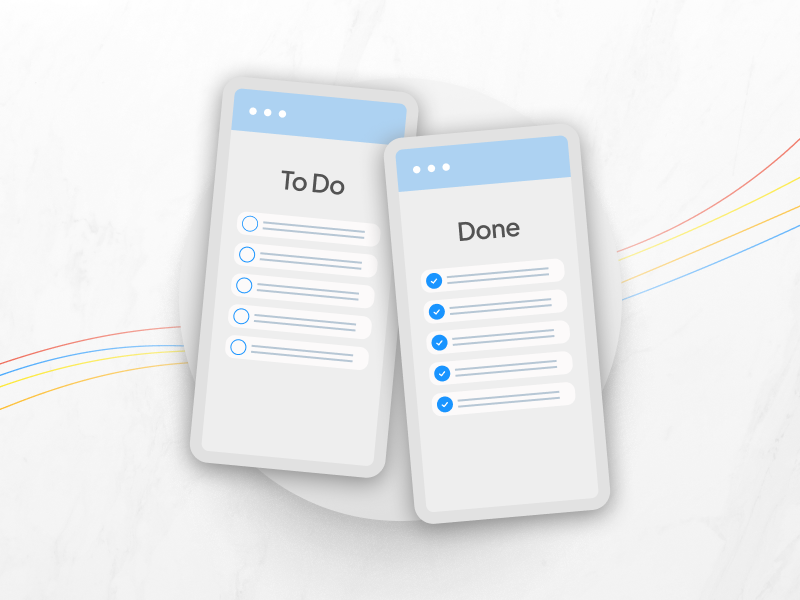
A rising number of design teams are turning to AI for UX design to complement and streamline their workflow by saving precious time and increasing productivity and creativity.
UX designers can now create smarter workflows in which AI takes over most of the heavy and time-consuming tasks while they focus on other essential steps and the creative process.
All the AI design tools mentioned in this article will enhance work efficiency.
These are 3 more AI tools to further boost productivity:
AI for UX design is not only here to stay; it will also continue to expand, and, with its expansion, designers will have access to invaluable tools and resources in the palm of their hands.
If you and your team have not taken advantage of AI yet, I advise you to incorporate it into your projects. Start slow; choose one of the AI tools mentioned in this article and apply it to your workflow. See how the power of AI works for your benefit and enables you to create unique and extraordinary user experiences for your clients.
Recent Post
Brian Dordevic
A Guide to Enterprise Mobile Application Development
READ MORE
Brian Dordevic
Enterprise UX Research: 5 Key Steps for Ensuring Top-Level Designs
READ MORE
Brian Dordevic
Scrapbook Style Web Design: 5 Layering Ideas to Nail This Trend
READ MORE