


About The Author

About The Author
You didn’t become a divorce lawyer to struggle just to get clients. Your phone isn’t ringing, and it feels like you’re competing for scraps online.
Deep down, you know your divorce lawyer web design might be part of the problem. It looks weak compared to other firms, and it’s not doing much to convince potential clients to choose you.
You want to fix it, but you’re not sure how.
Hearing about all these different web design solutions and paths doesn’t help…
You just want:
However, you don’t know how to get a website to help your firm achieve such results.
And even hiring professionals doesn’t guarantee you’ll get your dream divorce lawyer website design.
This guide is designed to give you clarity on your divorce attorney web design project. You’ll discover:
At my web design agency in Chicago, we’ve had a law firm client come to us confused about why they’re struggling to attract and convert the audience online.
One look at their ‘done-by-professionals’ site was enough to see why their potential clients keep choosing competitors.
And if you start your project without clarity? You risk ending up with similar results:
Imagine pouring all that time, energy, and money into a website, only to have it sit there – barely moving the needle for your firm.
Worse yet, it may even damage your reputation, making potential clients wonder if you’re as out of touch in the courtroom as you are online.
If you don’t have a clear plan from the start? You won’t notice the mistakes that show up along the way.
You’ll miss key details, and by the time you realize your website isn’t working, it’ll be months after it’s live.
At that point, fixing your divorce law firm website design will be expensive and stressful.

Building a website that actually works for your law firm doesn’t have to be a guessing game.
With the right plan in place, you can avoid common pitfalls, eliminate costly reworks, and ensure your site is built to convert.
I’ve developed a 9-step framework that will help you gain clarity for your divorce lawyer web design, and ensure your future website brings in leads, builds trust, and helps you stand out in a crowded market.
You’ll avoid the back-and-forth headaches by finding the right agency for your project and knowing the exact requirements to set.
You’ll hear it often: tempting offers to build your divorce lawyer website for $5k or even less.
“It’ll look great, and it’s optimized for SEO!”
You might even hear success stories of other firms going the template route and saving tons of money.
However, those templates aren’t built to get you results.
It might look fine at first glance. But when you dig deeper, you’ll find the cracks:
Top-performing custom lawyer web designs cost $20k+ for a reason. They’re built specifically for your firm’s needs, designed to convert visitors into clients, and to outperform competitors in search engines (and user experience).
Cheap templates may save you money now, but they won’t deliver the results you’re hoping for.
In the long run? Fixing all the mistakes will be impossible without a complete redesign.
Before you even start the design process, you need to get crystal clear on the purpose of your website.
Ask yourself: What is the main goal of this site?
Do you want it to be a lead-generating machine that captures contact details from potential clients? Are you trying to position yourself as the go-to expert in divorce law within your region? Or is the primary purpose to build trust and credibility with clients, helping them feel confident about hiring you for their case?
Defining these goals will shape every decision in the design process. It will guide the layout, the messaging, and even the features you include. Without this clarity, you risk creating a website that looks nice but doesn’t do much to grow your business.
Here are a few key questions to consider before you start:
If you don’t think about your website’s functionality from the start, you’ll likely end up with something that looks good but lacks the tools to engage potential clients.
Later on, trying to add these features will be time-consuming, expensive, and could even harm your site’s performance.
Here are some essential features and integrations to consider (to meet user requirements for a website design & increase your online profit):
Once you’ve outlined your website’s goals, features, and integrations, the next step is to find the right partners who can bring your vision to life.
But don’t hire just any designers…
Find a team that understands the needs of a law firm and can meet your expectations without causing unnecessary headaches like slow load times or broken functionality.
Here’s how to find the right partner:
If you need more guidance, I recommend checking my guide on how to choose a web design agency.
When working on your new website, you’ll come across some exciting web design trends in 2024. Maybe your designer suggests sleek animations or parallax scrolling that make your site feel cutting-edge.
It’s tempting to think, “This looks amazing—this will impress potential clients.” And it’s true—your site needs to look modern, not outdated, to build trust with visitors.
But here’s the catch: using too many fancy website effects can hurt you more than help.
I’ve seen it happen… Law firms go all in on trendy designs, only to discover that their site takes forever to load.
Visitors leave before the page finishes loading, and their rankings drop in Google because search engines hate slow websites.
What seemed like a good idea ends up costing leads and visibility. And fixing these issues later? It’s not easy or cheap.
Imagine a potential client visiting your website. They’re stressed, looking for answers, and need legal help fast.
The last thing they want is to be frustrated by a confusing site – waiting for pages to load, struggling to find the information they need, or clicking buttons that lead nowhere.
A poor user experience will have them clicking away to your competitors in seconds.
Here are key UX factors to prioritize for your site:
When potential clients land on your website, they’re not just looking for a lawyer—they’re looking for someone they can trust with one of the most difficult moments in their life. Divorce isn’t just paperwork – it’s emotional, messy, and life-changing.
If your website doesn’t immediately convey credibility and professionalism, they’ll move on to a firm that does.
Trust is the currency that sells your services. It helps you win more clients and also makes first consultation calls much easier. When visitors arrive already confident in your abilities, the dynamic shifts – they’re not questioning your competence; they’re ready to talk solutions.
Building trust doesn’t require you to say “Trust us.” It’s about creating a sense of credibility through thoughtful design elements:
If your potential clients can’t find you online, they’ll turn to a competitor without a second thought. That’s why your website must be built with divorce lawyer SEO in mind from the start.
But what are some key considerations when hiring web design services?
If your site doesn’t load in under a second, potential clients will leave before it even appears. Google also notices slow sites – and will push them down the rankings, costing you visibility and traffic.
Also, work on building your topical authority early on. Tailor your content to divorce-related matters to attract the right clients and stand out in search results.
Keep these in mind and look for web design services providers who can tackle SEO for you as well.
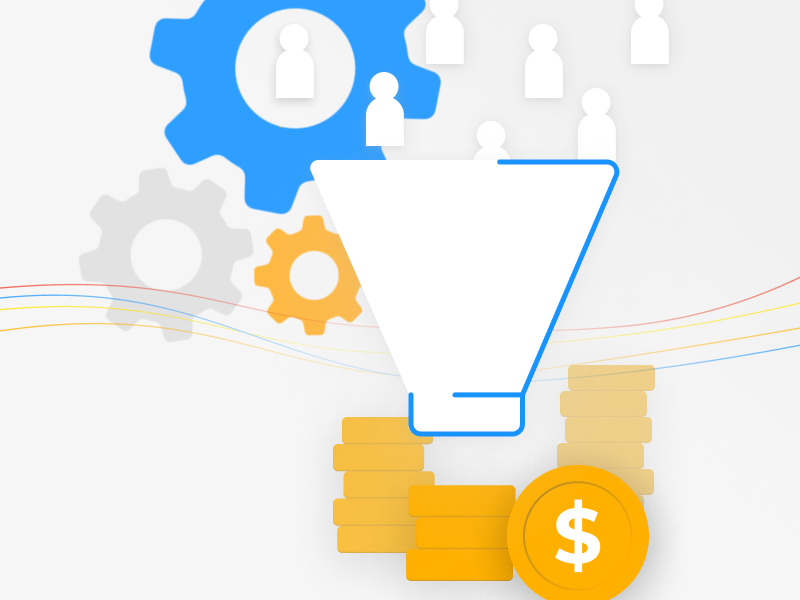
Many divorce lawyer websites look good but fail to engage and capture potential leads effectively.
Without a solid mechanism to gather client information and nurture interest, you’ll miss out on opportunities to convert your target clients.
Your website should make it easy for visitors to schedule consultations, ask questions, or leave their contact details so you can follow up. A seamless lead-capturing system ensures you’re not leaving potential clients hanging.
Just take a look at how the best law firm websites handle this; they make it effortless for visitors to engage, respond, and take the next step without hesitation.
Here are essential tools to include for effective lead capture:
But lead capture is just the first half of the equation—you also need to convert those leads into paying clients. This is where having a well-structured follow-up process becomes essential. Integrating your site with a CRM (like HubSpot) allows you to track inquiries, send follow-up emails, and maintain relationships with potential clients.
Still feeling unsure about where to start or what your website really needs to stand out? Lack of clarity can stall your project, waste time, and eat through your budget.
With years of experience designing high-converting websites, my team and I know exactly what works (and what doesn’t).
Book a consultation, and we’ll help you create a roadmap that aligns with your goals and ensures you get the most out of your investment.
No guessing. No wasted budget. Just expert recommendations tailored to your firm’s needs.
Recent Post
Brian Dordevic
Elements of a Good Website (Beyond the Fancy Animations)
READ MORE
Brian Dordevic
ADA Website Compliance Deadlines 2026: The Critical Compassion Gap
READ MORE
Brian Dordevic
You’ll Regret Skipping Web Design Quality Assurance
READ MORE